
Esoteric subcultures and lost media are fascinating because they reveal forgotten corners of the internet, obscure art, and media that almost disappeared from history.
Forgotten forums, webrings, and chatrooms from the early days of the web.

Obscure internet communities are a goldmine of lost culture. Many early forums, bulletin board systems (BBS), and niche social networks have faded into obscurity, leaving only fragments of their existence.
Digital Holes in the Internet

Some communities existed in the early 2000s but are nearly impossible to find today because they weren’t well archived. Websites like GeoCities, Angelfire, and early Tripod sites hosted thousands of personal pages and forums that disappeared when hosting services shut down.
Usenet Newsgroups

Before web forums, Usenet was a hub for discussing everything from UFO conspiracies to underground hacking culture. While some archives exist, many groups were lost due to poor preservation.
The Something Awful Forums (SAF) Legacy
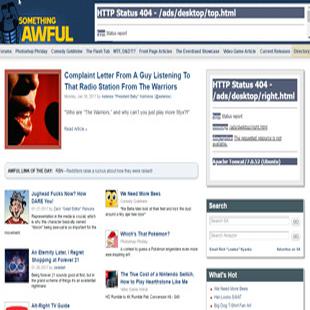
SAF was responsible for birthing many internet memes and early subcultures, including Slender Man and Let’s Play gaming videos. While the forum still exists, much of its early history is locked behind paywalls or lost to time.
Let’s Play
A Let’s Play is a video—or a series of screenshots with text—that documents someone playing through a video game, often with commentary and sometimes a facecam showing their reactions.
Unlike traditional walkthroughs or strategy guides, Let’s Play focuses on the player’s personal experience, offering their thoughts, jokes, and critiques along the way.
Instead of just teaching you how to beat the game, it’s more about sharing the fun, frustrations, and surprises that come with playing—often in a humorous, irreverent, or highly opinionated style.
4chan’s Forgotten Boards

While 4chan is infamous for its role in meme culture, many of its lesser-known boards (/z/, /news/, and others) were deleted without much documentation, leaving behind ghost traces of once-thriving discussions.
The Elusive “Deep Web” Forums

Many discussion forums in the early 2010s hosted unique subcultures, ranging from philosophy think tanks to ARG rabbit holes. Websites like RogueBasin (a roguelike game dev community) or Heaven’s Gate (a UFO cult’s digital remains) still exist, but many similar sites have vanished.
Lost MMO & Virtual World Communities
Games like Furcadia, There.com, and Active Worlds had communities as rich as Reddit or Discord today. Many of these communities are ghost towns, with only remnants left in forums or private archives.
ARG Rabbit Holes

An alternate reality game (ARG) is an interactive storytelling experience that blends fiction with the real world, inviting players to become part of the story. Instead of just watching events unfold, players actively shape the narrative through their ideas, actions, and problem-solving skills.
ARGs play out in real-time, with stories evolving based on how players interact with the characters—who are controlled by real people rather than AI, like in traditional video games. Players work together to uncover clues, solve puzzles, and connect the dots, often collaborating as a community to unlock new parts of the story.
These games use a mix of media—emails, phone calls, websites, and even real-world locations—but the internet serves as the central hub where everything comes together. The result? A unique, immersive adventure that blurs the line between fiction and reality.
Forums with Weirdly Specific Themes
Godlike Productions

A forum for conspiracy theories and fringe discussions, known for banning users without explanation.
- Theme: Conspiracy theories, UFOs, and fringe topics.
- History: A once-vibrant forum that attracted a mix of paranoid conspiracy theorists, new-age thinkers, and self-proclaimed truth-seekers. The forum has been a part of the “alt-news” space for decades, and its archives are filled with discussions ranging from the 9/11 attacks to supposed government cover-ups of alien encounters.
- Lost Content: Many threads and discussions are deleted or locked, especially if the moderators feel they go too far into speculative or offensive territory. It’s hard to find specific archived threads unless you have deep access to internet archives.
Candlepower Forums
An entire forum dedicated to flashlights and light technology, with deep technical discussions.
- Theme: Flashlights and light technology.
- History: This forum is a treasure trove for people passionate about flashlights and lighting tech. Topics range from tactical flashlights used by the military and law enforcement to DIY projects involving LED technology and custom-built lights.
- Lost Content: Some of the forum’s older discussions contain valuable technical details on lighting projects that are hard to find elsewhere, but certain threads have been lost due to the rapid technological evolution in LED tech.
5 Odd Flashlight Designs
Shake Flashlights

Instead of using batteries, these flashlights generate power by shaking a magnet through a coil. They were popular as “emergency” lights but weren’t very bright.
Flashlight Canes

A walking cane with a built-in flashlight at the base is meant to help users see while walking at night. Some versions even have motion sensors to turn on automatically.
Crank-Powered Flashlights

Instead of batteries, these require you to turn a crank for power. Some have built-in radios or phone chargers, making them great for emergencies.
UV Flashlights for Scorpions

Some flashlights emit ultraviolet light to make scorpions glow in the dark. They’re used by people in desert areas to avoid stepping on venomous critters.
“Squid” Flashlights

These have multiple flexible legs, like a tripod with bendable arms, so you can wrap them around objects to aim the light exactly where you need it.
The Straight Dope Message Board
A hub for intellectual debate and trivia nerds, with archives dating back to the 90s.
- Theme: Intellectual debates, trivia, and deep-dive discussions.
- History: This message board was the online home for fans of The Straight Dope column, which started in the 1970s with Cecil Adams, and later turned into a vibrant, fact-driven online community. Members would engage in intense debates over everything from obscure trivia to science, history, and logic puzzles.
- Lost Content: Many threads are filled with answers to questions that Google simply can’t answer, but older content is sometimes difficult to find. The board has gone through several redesigns, and some of its earliest discussions have been erased or buried.
The Something Awful Forum (SAF)

A hub for intellectual debate and trivia nerds, with archives dating back to the 90s.
- Theme: Online humor, internet culture, and subversive art.
- History: SAF is a godfather of internet culture, spawning memes, viral trends, and even the infamous Slender Man story. Its discussions often leaned into absurdism, dark humor, and creating internet art, which had a significant influence on other platforms like Reddit and Tumblr.
- Lost Content: SAF’s early years are a treasure trove of internet history, but much of it has been lost behind paywalls or vanished with the shifting nature of online communities.
Notable Topics
- The “SA Forums and the Shrek” threads: Where users created surreal, humorous, and sometimes disturbing images and discussions around the Shrek movies, which later evolved into an entire internet subculture.
- The “Asshole Thread”: Known for its often brutal humor, this thread would encourage participants to be rude or sarcastic to other members in a playful way, leading to moments of online drama but also hilarious moments of catharsis.
- The “Fat Chicks on Ice Cream” Saga: A controversial but iconic SAF thread that featured bizarre photo manipulations and threads focused on the “gross-out” humor genre.
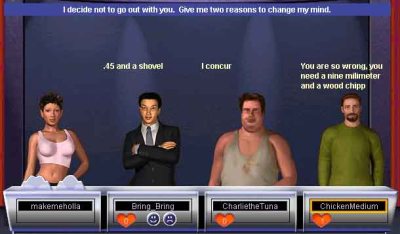
- The Goon Wars: SAF members, who were collectively known as “goons,” often engaged in large-scale trolling operations against other communities, with 4chan being a frequent target. These events solidified SAF’s place in the early history of internet drama.
Memes and Internet Culture: SAF was instrumental in creating or popularizing many internet memes and subcultures.
Some memes that originated on SAF include “All Your Base Are Belong to Us,” “Saddam Hussein’s Super Fun Party Game,” and early “Shrek” memes.
These helped shape the way the internet interacts with humor and media today.
The “Comedy Goldmine”: A major subforum where users could post hilarious or bizarre content they found across the internet.
This area became a wellspring of viral moments, from strange photos to viral YouTube videos.
Edgy and Subversive Humor: SAF was notorious for its dark, edgy sense of humor, often involving discussions about taboo subjects like death, conspiracy theories, and absurd politics.
However, this tendency led to some controversy, with the forum being called out for its occasional misanthropic or offensive content.
Shenanigans and Trolls: One of the most notable aspects of SAF was its penchant for trolling, both online and in real life.
The forum was one of the first to employ trolling as a strategic form of humor, and its members developed memes and pranks that would go viral across the internet.
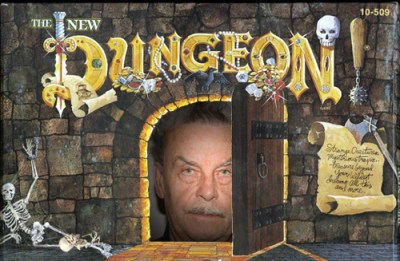
The infamous “Let’s Go To The Movies” thread is a great example of SAF’s involvement in meme culture.
Lurkmore

Lurkmore existed as a time capsule of internet culture in its rawest form—unfiltered, anarchic, and often pushing the limits of good taste.
For those who were part of the 4chan or early Internet Explorer crowd, it helped to define the parameters of humor, art, and trolling that are so pervasive today.
It was also one of the first attempts to document “web culture” in an unvarnished, insider way.
- Theme: Internet subcultures and memes, often with a heavy focus on the obscure and ridiculous.
- History: This site served as a sort of “wiki” for internet culture, compiling information on memes, subcultures, and obscure internet phenomena. It was beloved by the 4chan crowd, especially those interested in trolling or digging into the darker corners of the web.
- Lost Content: Over time, many of Lurkmore’s articles were taken down or replaced, particularly as the site became less active. Some of its pages have migrated to other, lesser-known wikis, but much of the lore is fragmented.
Famous Topics
- “The Fappening”: A term used to describe the 2014 hacking incident in which private photos of celebrities were leaked online. Lurkmore was one of the first places to document this incident and its aftermath.
- “Anonymous” and Operation Chanology: The site cataloged the rise of Anonymous, their early DDoS (distributed denial of service) attacks against the Church of Scientology, and their subsequent influence on online activism.
The Old Net

The Old Net is an attempt to restore vintage web browsing on vintage computers.
It uses the Internet Archive: Wayback Machine API and a proxy that strips out any
incompatible javascript and stitches together as many links as it can.
Censorship and Safety
Another related reason for the loss of older web content has been out of necessity for safety while browsing the web. As web technology improved and old sites were left behind they became dangerous and open to exploit by bugs or flawed technology.
A good example of this was the switch from HTTP to HTTPS. If you were to navigate to a website with only HTTP, you would receive a message from your browser saying the site was not safe and open to data interception by third parties.
In this way, many sites without a moderator or developer to update them were lost to time. Other previous updates and changes to how we interact on the internet like the implementation of Javascript have also limited older sites.
One workaround for this is to use an alternative search engine that either does not censor web search results or provides a limited-scope search.
Alternative Search Engines
Duck Duck Go

The Internet privacy company that empowers you to seamlessly take control of your personal information online, without any tradeoffs.
Ecosia

Ecosia uses 100% of its profits for the planet and produces enough renewable energy to power all searches twice over.
Start Page

Startpage is a global privacy-focused technology company. Offering a suite of user-friendly privacy products designed to help individuals worldwide protect their online personal data.
Headquartered in the Netherlands, Startpage users benefit from strong European privacy laws, including the GDPR, considered the world’s most robust.
All Startpage searches are processed through a proprietary personal data protection technology, allowing users the option to use only European servers.
Yandex

Yandex finds anything: webpages, images, music, good. Solve any problem — from every day to a scientific one. Search by text, voice, or image.
 Fat Wallet Refugee